
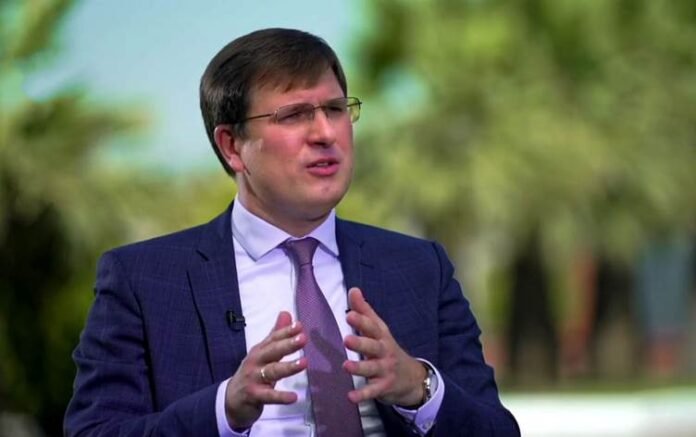
ERBIL, Kurdistan Region – Russia Kurdistan Region relations remain strong and multifaceted, according to the Russian Consul General in Erbil, who emphasized Moscow’s commitment to expanding cooperation.
The diplomat stated that Russia values its humanitarian, cultural, political, and economic ties with the Kurdistan Region. He described the Region as a stable and reliable partner in a complex regional environment.
The Consul General highlighted ongoing engagement between Russian institutions and Kurdish counterparts. He noted that cooperation extends beyond diplomacy to include education, trade, and cultural exchange. Therefore, Moscow views the relationship as comprehensive and strategic.
Russia Kurdistan Region relations have developed steadily over the years. Russian energy companies operate in parts of the Kurdistan Region, contributing to economic collaboration. In addition, cultural initiatives and academic exchanges continue to strengthen people-to-people connections.
The diplomat also pointed to the Kurdistan Region’s relative stability compared to surrounding areas. He emphasized that stability creates favorable conditions for investment and long-term partnerships. As a result, Russia considers the Region an important actor in Iraq’s broader political and economic landscape.
Furthermore, the Consul General stressed that dialogue remains central to bilateral cooperation. He reaffirmed Moscow’s support for peaceful engagement and mutual respect in regional affairs.
Officials in Erbil have likewise expressed interest in maintaining balanced international relations. They continue to pursue diversified partnerships that enhance economic development and diplomatic outreach.
Observers note that Russia Kurdistan Region relations reflect broader geopolitical dynamics in Iraq and the Middle East. However, both sides have consistently framed their cooperation as pragmatic and mutually beneficial.
The Russian Consul General’s remarks underscore Moscow’s view of the Kurdistan Region as a dependable partner. His comments highlight continued efforts to deepen humanitarian, cultural, political, and economic cooperation.