
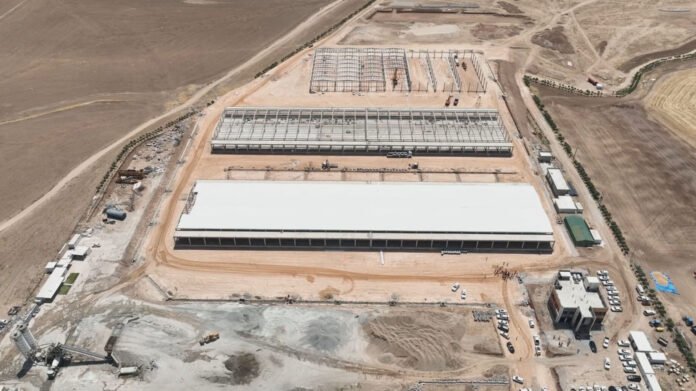
As part of its long-term agricultural strategy, the Kurdistan Regional Government (KRG) has launched two new fruit processing plants in Duhok. These facilities aim to support local farmers, expand production, and improve economic opportunities in the province. Fruit processing plants boost farmers captures the core of this initiative.
In recent years, agricultural development in Duhok has seen steady progress. Regions like Qadish in Amedi district are witnessing increasing crop yields. Farmers are now growing apples, grapes, pomegranates, and other fruits in larger volumes. They are eager for better infrastructure to handle and market these rising harvests.
Nazar Saeed, a fruit farmer from Qadish, shared his excitement. He cultivates 600 apple trees, 400 grapevines, and 40 pomegranate trees. “We need processing centers near us to make full use of our crops,” he said. Saeed believes the new factories will create real economic benefits for local farmers.
Delir Islam, another farmer from the area, agreed. He noted that a nearby facility would improve operations for everyone. “This would help not just grape farmers, but others growing different fruits as well,” he stated.
The KRG has responded to these demands with action. Two new fruit processing plants are under construction—one in the Mangesh subdistrict and another in Simele district. These facilities will receive seasonal produce and convert it into natural juices. This marks a big step in boosting local agriculture.
Ahmad Jameel, Director General of Agriculture in Duhok, emphasized the importance of private sector involvement. “Working with private investors has been key to our success,” he explained. The Mangesh facility is already complete and ready to process grapes. The Simele plant, currently 85% finished, will open by the end of summer.
Fruit processing plants boost farmers reflects not only infrastructure development but also policy progress. The KRG has imposed a seasonal ban on importing crops grown within the Region. This move shields local farmers from external competition and encourages domestic productivity.
Last year, Duhok exported over 250,000 tons of produce to other parts of Iraq. Already this year, more than 81,000 tons have been shipped. These numbers signal growing strength in the sector.
Through investments in logistics, smart policies, and public-private cooperation, the KRG is building a self-sufficient agricultural economy. The new fruit processing plants boost farmers by increasing profit potential, strengthening local markets, and creating new job opportunities.
Duhok’s farmers are now more confident about their future. With continued support, they are turning their hard work into long-term success.