
The Kurdistan Regional Government (KRG) Environmental Improvement Board announced that all exotic animal and plant imports into the Kurdistan Region must now carry official CITES certification.
Officials said the measure aims to protect the Region’s biodiversity and prevent environmental damage caused by invasive species and foreign diseases.
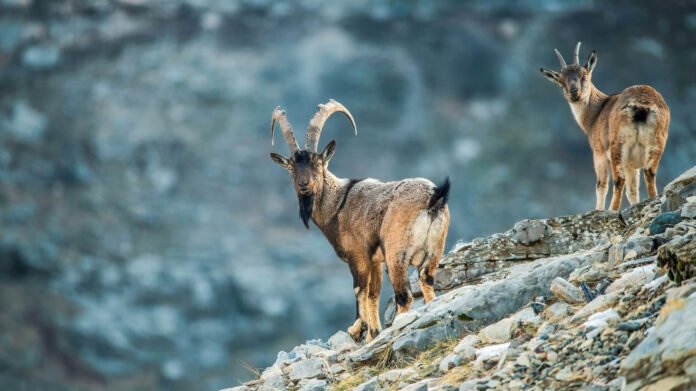
According to the board, unauthorized imports could threaten the Kurdistan Region’s fragile ecosystems, especially within the Zagros mountain range. Authorities warned that invasive species or imported pathogens may seriously harm native wildlife and vegetation.
The board noted that the Zagros ecosystem contains more than 2,000 plant species and supports around 350 species of migratory birds. Environmental officials stressed that preserving this biodiversity remains a major priority.
The Convention on International Trade in Endangered Species of Wild Fauna and Flora, commonly known as CITES, regulates international trade in endangered animals and plants. The certification system helps governments monitor imports and prevent illegal wildlife trafficking.
Officials explained that traders and importers must now obtain proper CITES documentation before bringing exotic species into the Kurdistan Region. Authorities also warned that they will take legal action against violators who bypass environmental regulations.
In addition, the Environmental Improvement Board emphasized the importance of stronger monitoring at border crossings and customs points. Officials said tighter controls will help reduce ecological risks and improve environmental protection standards.
The announcement comes as environmental experts continue warning about the global spread of invasive species and wildlife diseases through international trade and illegal trafficking networks.
KRG officials also highlighted ongoing efforts to strengthen environmental laws and raise public awareness about biodiversity conservation across the Kurdistan Region.